STEP-BY-STEP 3 min
How to use logical padding for review summaries with CSS
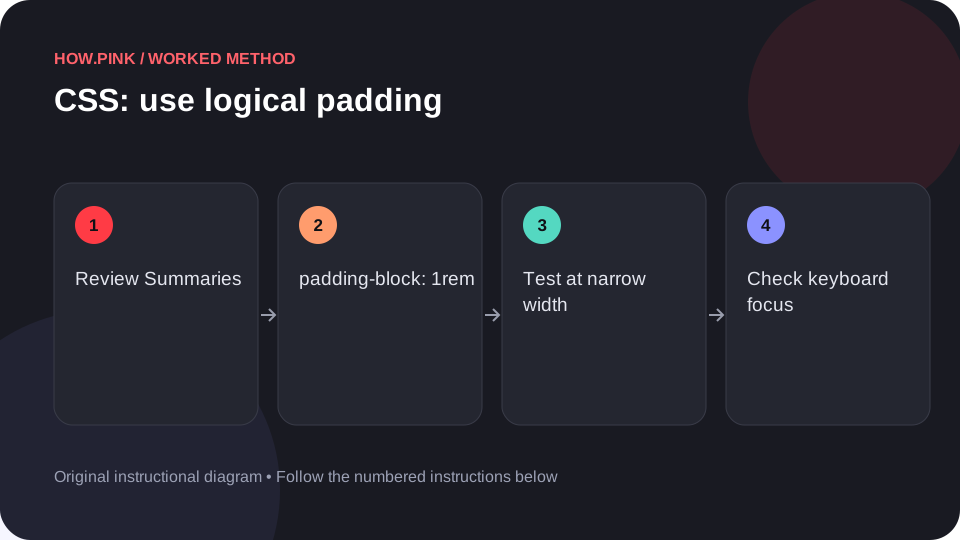
Build a small standalone HTML example to use logical padding for review summaries, then check the behavior at narrow and wide viewport sizes.
How Pink Editorial
Small questions, big projects, and everything in between. Pick a guide and take the first step.
Build a small standalone HTML example to use logical padding for review summaries, then check the behavior at narrow and wide viewport sizes.
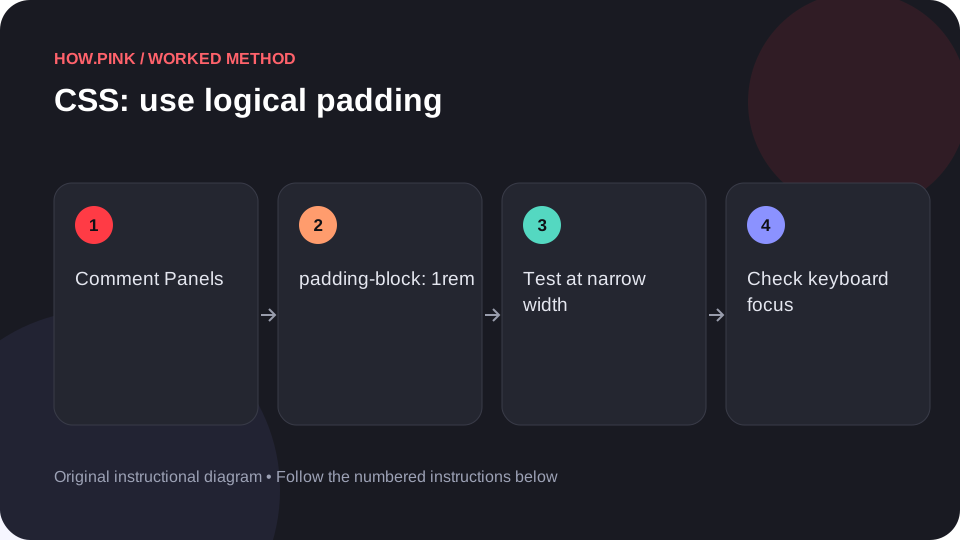
Build a small standalone HTML example to use logical padding for comment panels, then check the behavior at narrow and wide viewport sizes.
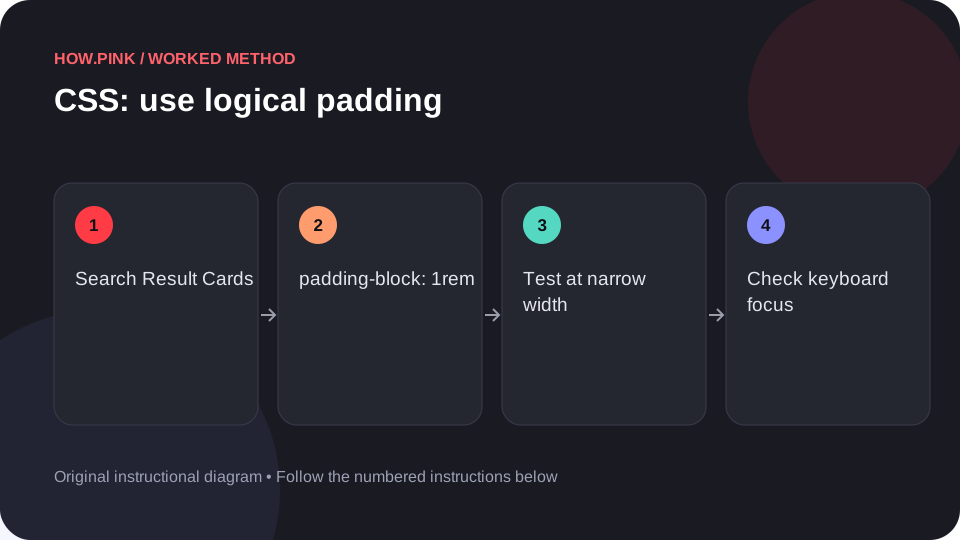
Build a small standalone HTML example to use logical padding for search result cards, then check the behavior at narrow and wide viewport sizes.
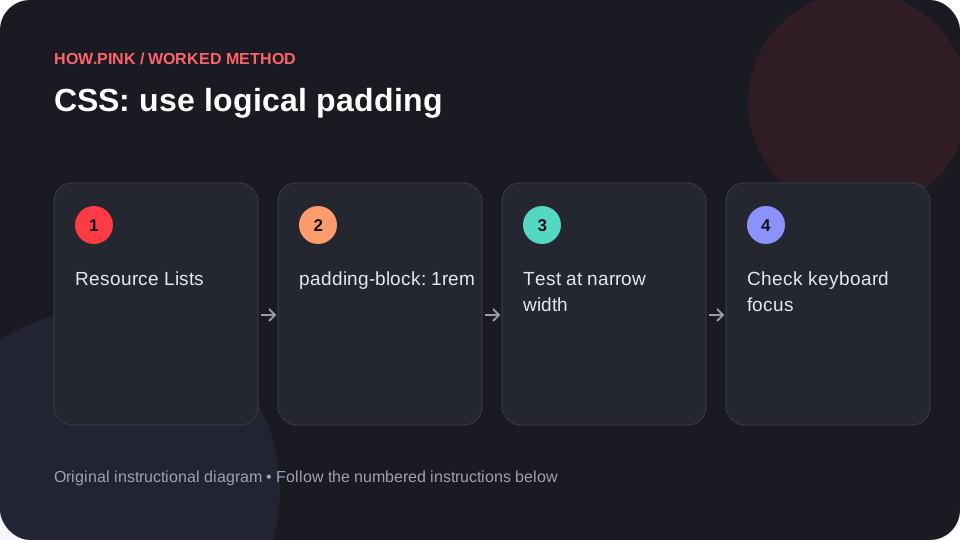
Build a small standalone HTML example to use logical padding for resource lists, then check the behavior at narrow and wide viewport sizes.
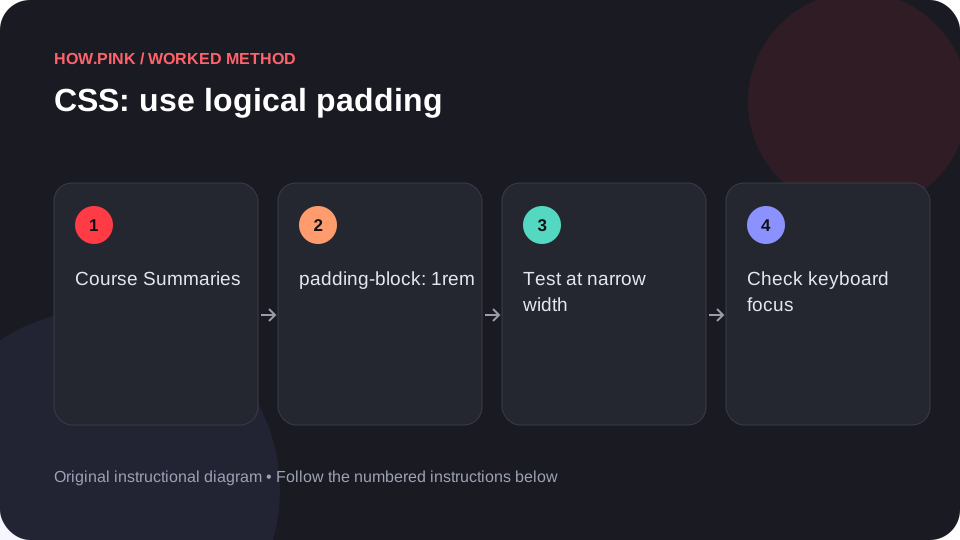
Build a small standalone HTML example to use logical padding for course summaries, then check the behavior at narrow and wide viewport sizes.
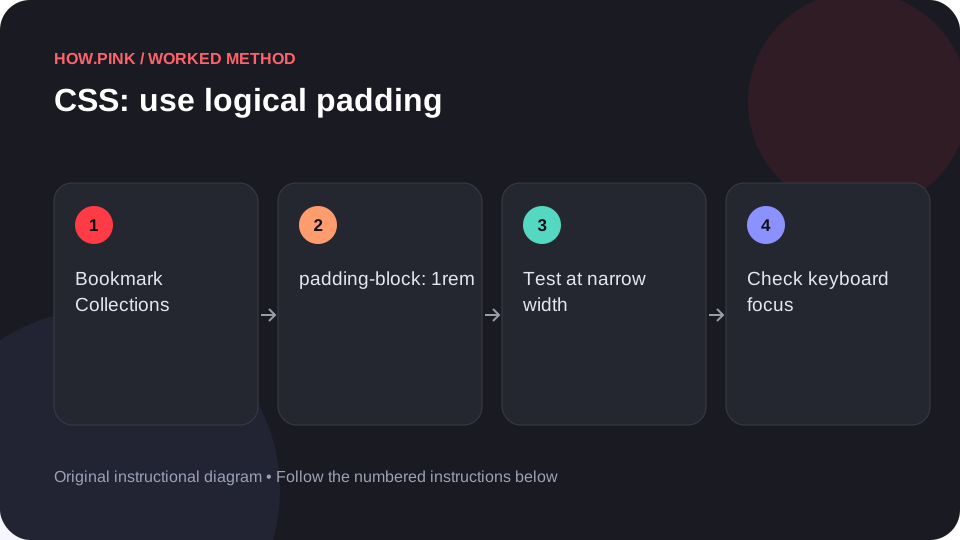
Build a small standalone HTML example to use logical padding for bookmark collections, then check the behavior at narrow and wide viewport sizes.
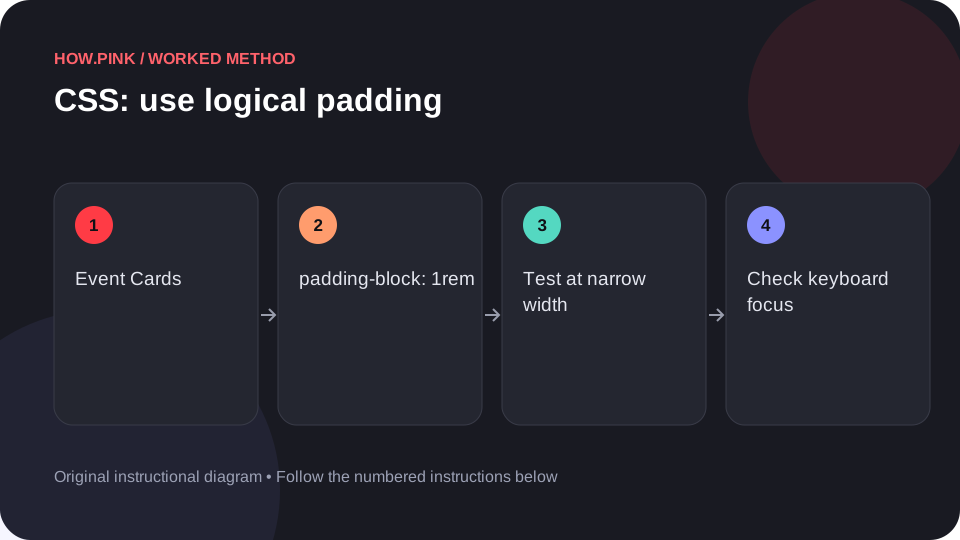
Build a small standalone HTML example to use logical padding for event cards, then check the behavior at narrow and wide viewport sizes.
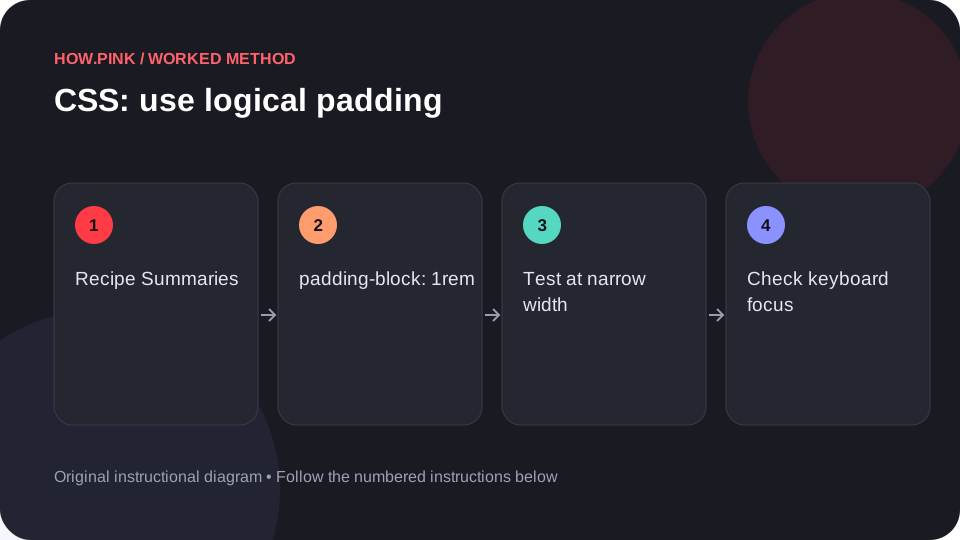
Build a small standalone HTML example to use logical padding for recipe summaries, then check the behavior at narrow and wide viewport sizes.
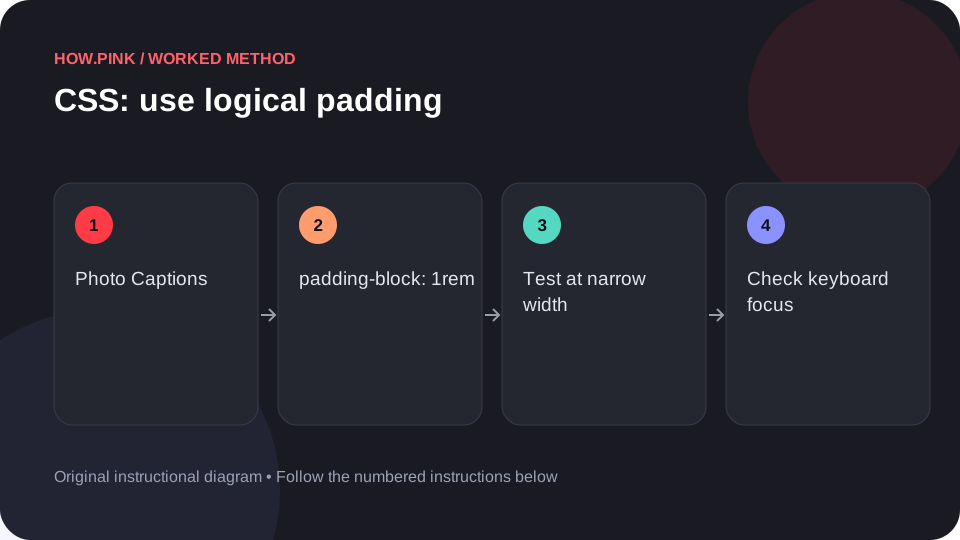
Build a small standalone HTML example to use logical padding for photo captions, then check the behavior at narrow and wide viewport sizes.
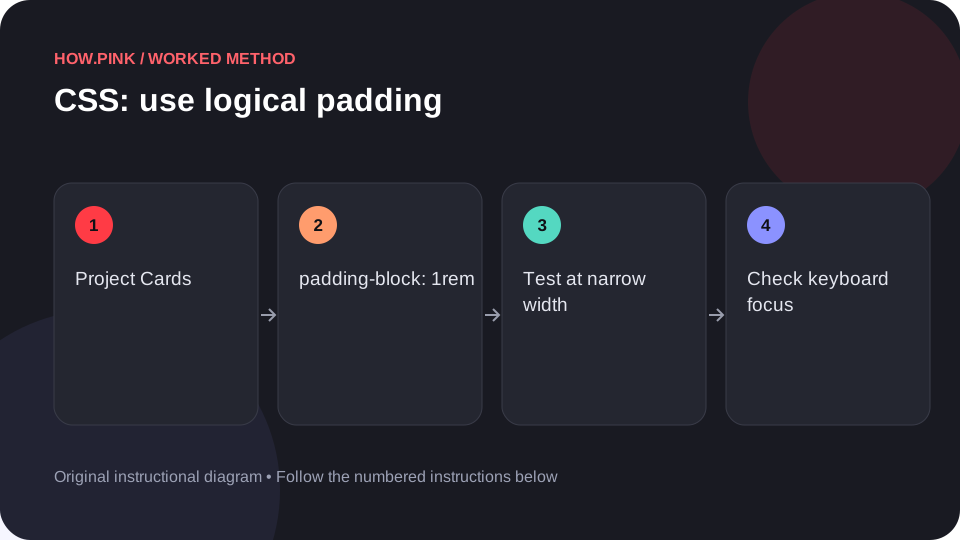
Build a small standalone HTML example to use logical padding for project cards, then check the behavior at narrow and wide viewport sizes.
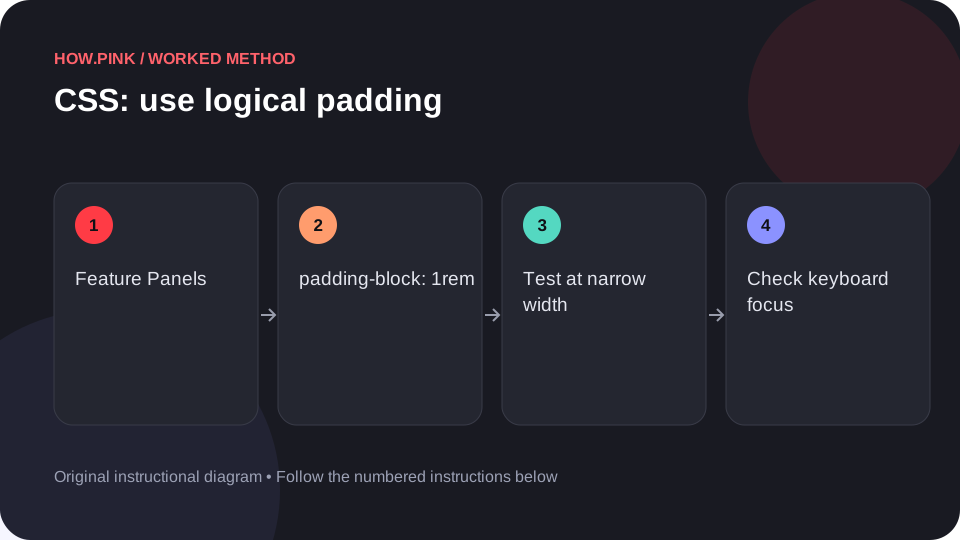
Build a small standalone HTML example to use logical padding for feature panels, then check the behavior at narrow and wide viewport sizes.
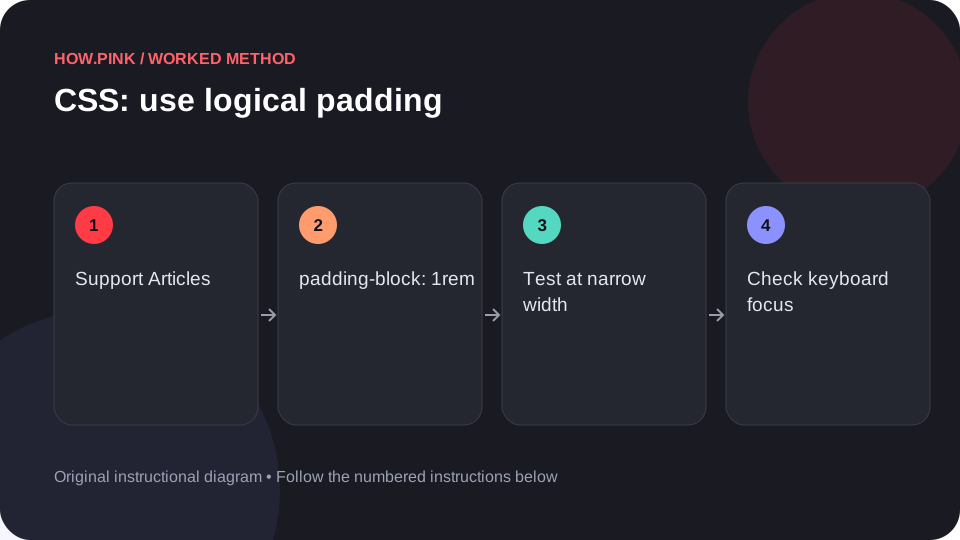
Build a small standalone HTML example to use logical padding for support articles, then check the behavior at narrow and wide viewport sizes.
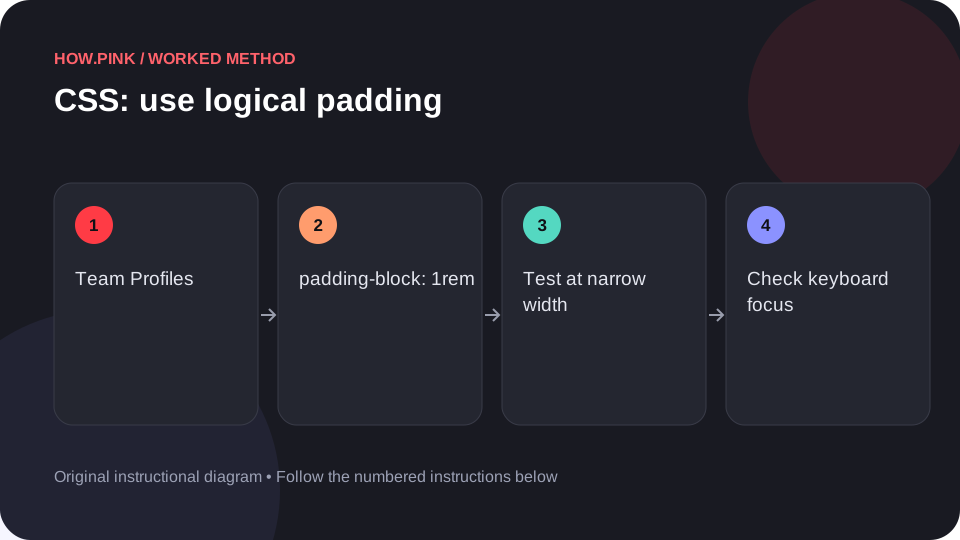
Build a small standalone HTML example to use logical padding for team profiles, then check the behavior at narrow and wide viewport sizes.
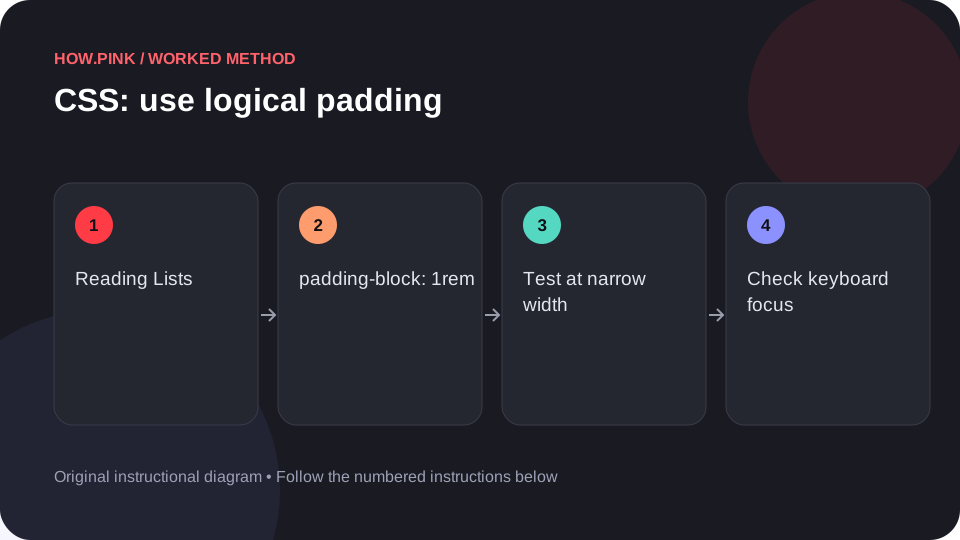
Build a small standalone HTML example to use logical padding for reading lists, then check the behavior at narrow and wide viewport sizes.
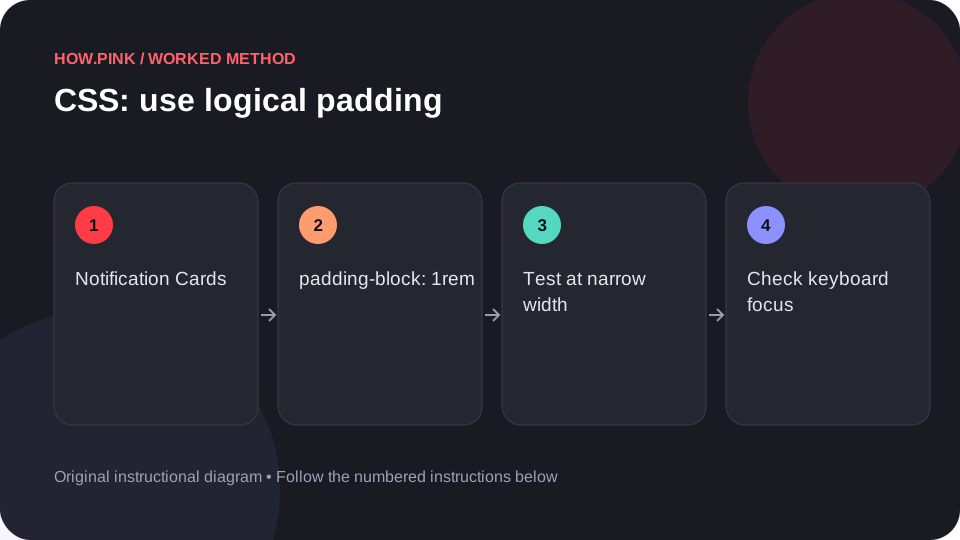
Build a small standalone HTML example to use logical padding for notification cards, then check the behavior at narrow and wide viewport sizes.
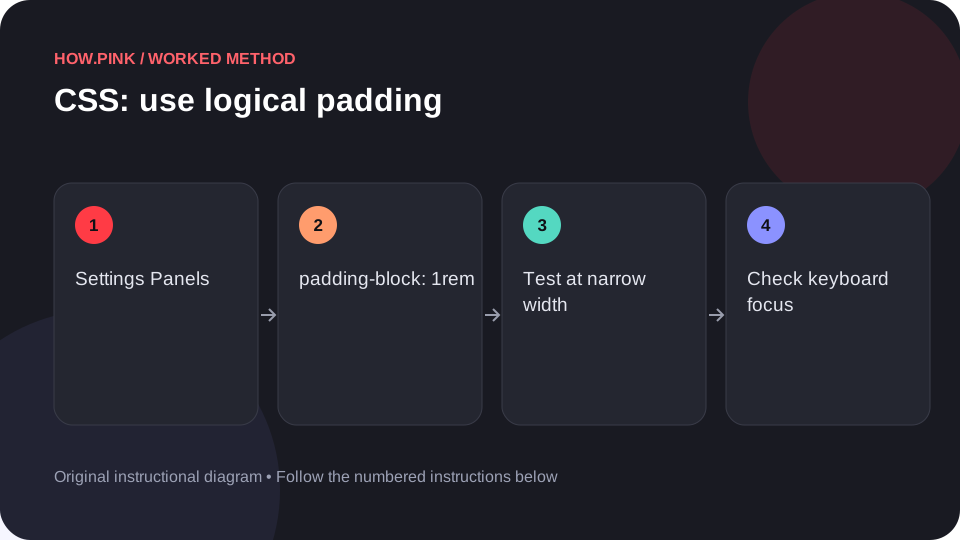
Build a small standalone HTML example to use logical padding for settings panels, then check the behavior at narrow and wide viewport sizes.
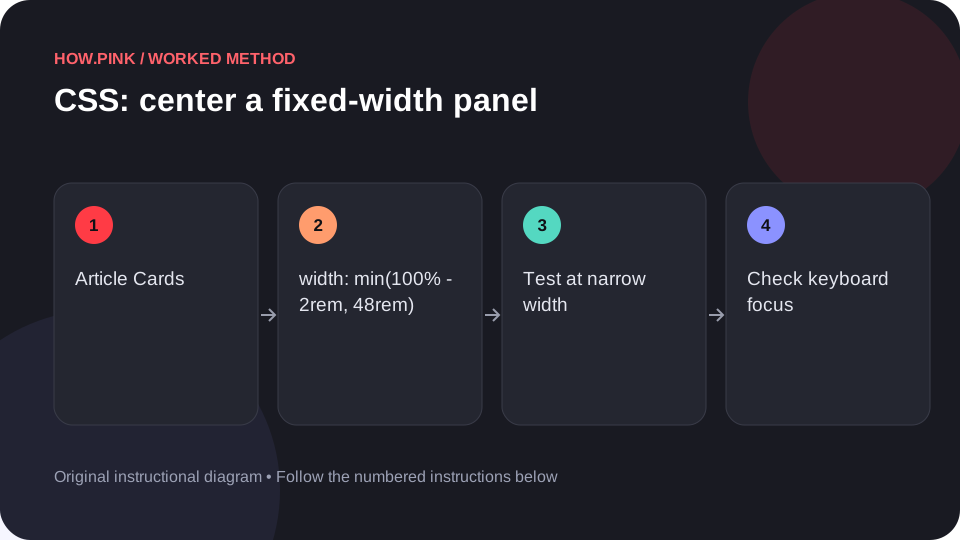
Build a small standalone HTML example to center a fixed-width panel for article cards, then check the behavior at narrow and wide viewport sizes.
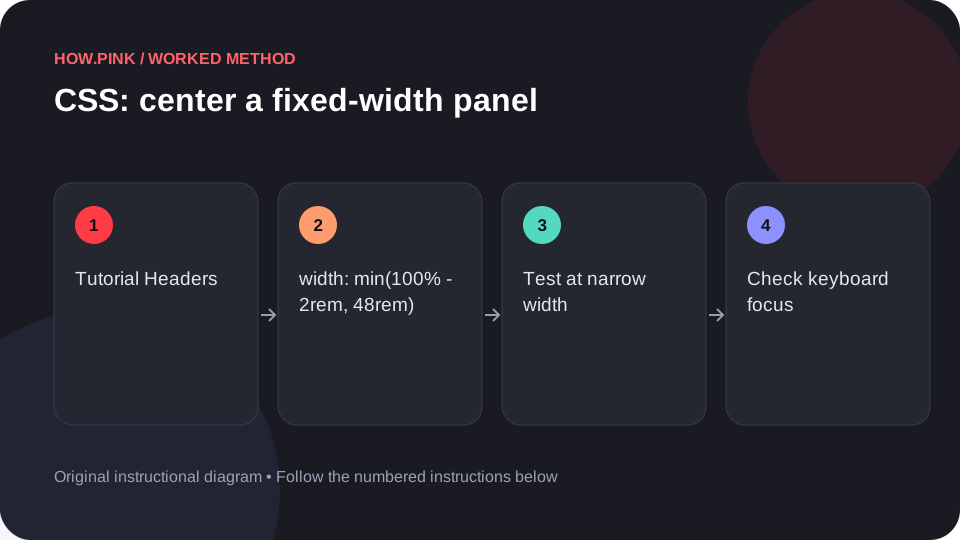
Build a small standalone HTML example to center a fixed-width panel for tutorial headers, then check the behavior at narrow and wide viewport sizes.