THE KNOW-HOW COLLECTIONFind your next “I did it.”
Small questions, big projects, and everything in between. Pick a guide and take the first step.
2,000 tutorialsSomething useful is just a step away.
 Python & automation
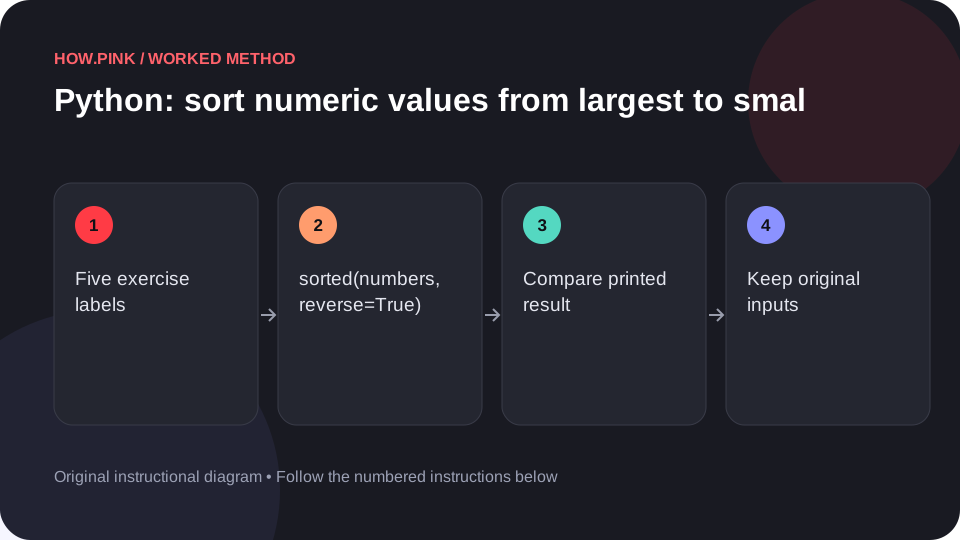
Use Python’s standard library to sort numeric values from largest to smallest in a small music practice dataset, with runnable code and an exact output check.
 Python & automation
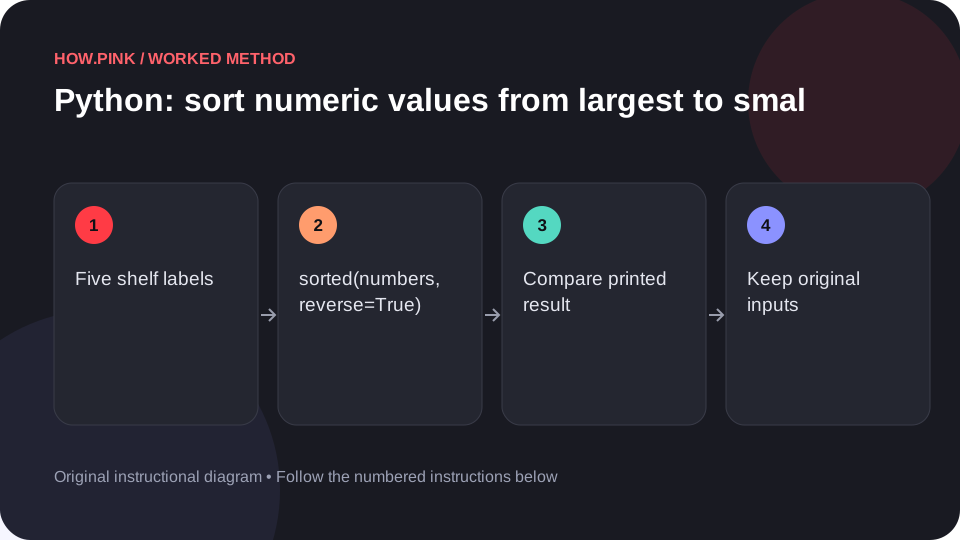
Use Python’s standard library to sort numeric values from largest to smallest in a small book collection dataset, with runnable code and an exact output check.
 Python & automation
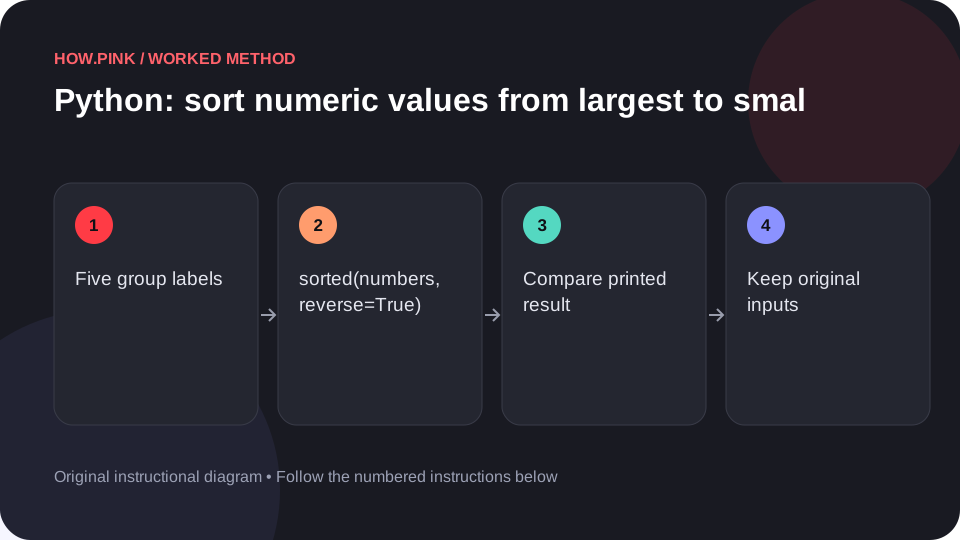
Use Python’s standard library to sort numeric values from largest to smallest in a small packing checklist dataset, with runnable code and an exact output check.
 Python & automation
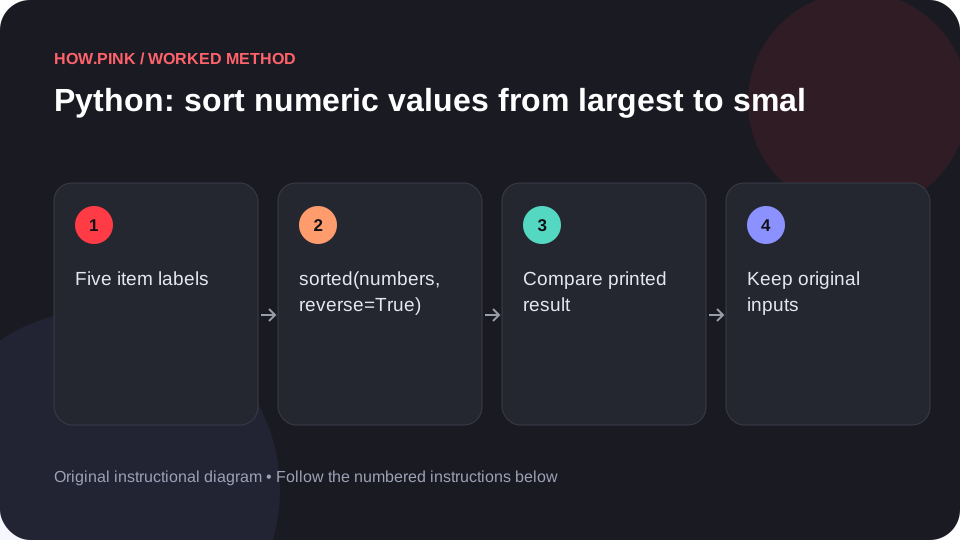
Use Python’s standard library to sort numeric values from largest to smallest in a small desk accessories dataset, with runnable code and an exact output check.
 Python & automation
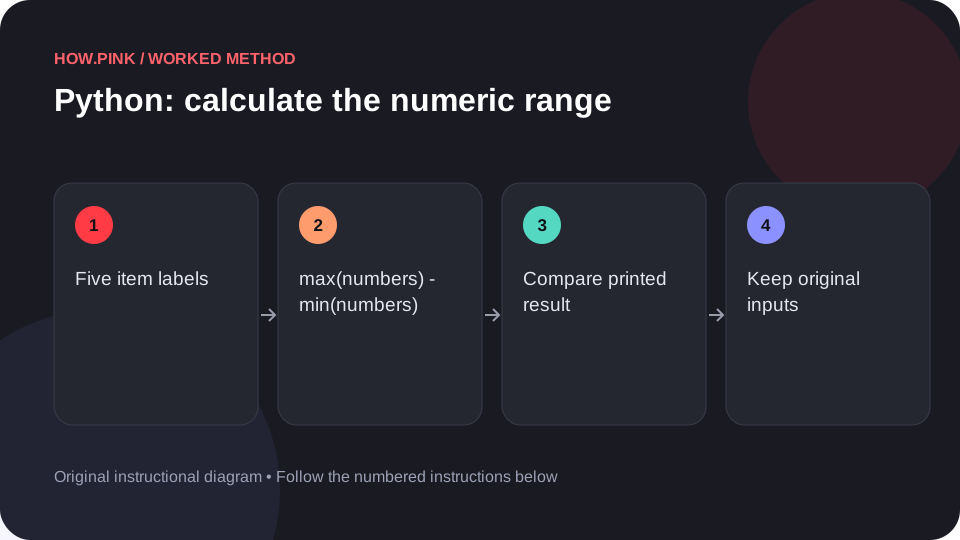
Use Python’s standard library to calculate the numeric range in a small grocery spending dataset, with runnable code and an exact output check.
 Python & automation
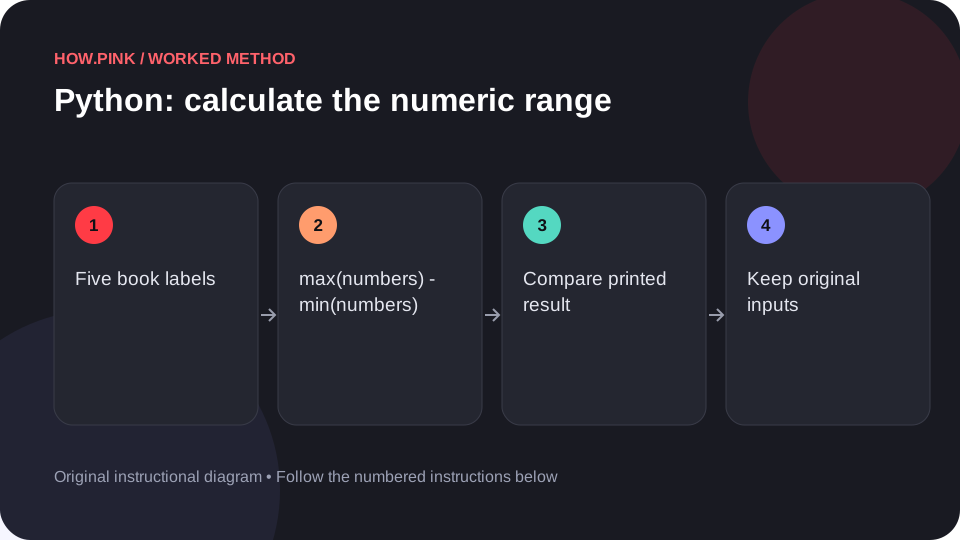
Use Python’s standard library to calculate the numeric range in a small reading sessions dataset, with runnable code and an exact output check.
 Python & automation
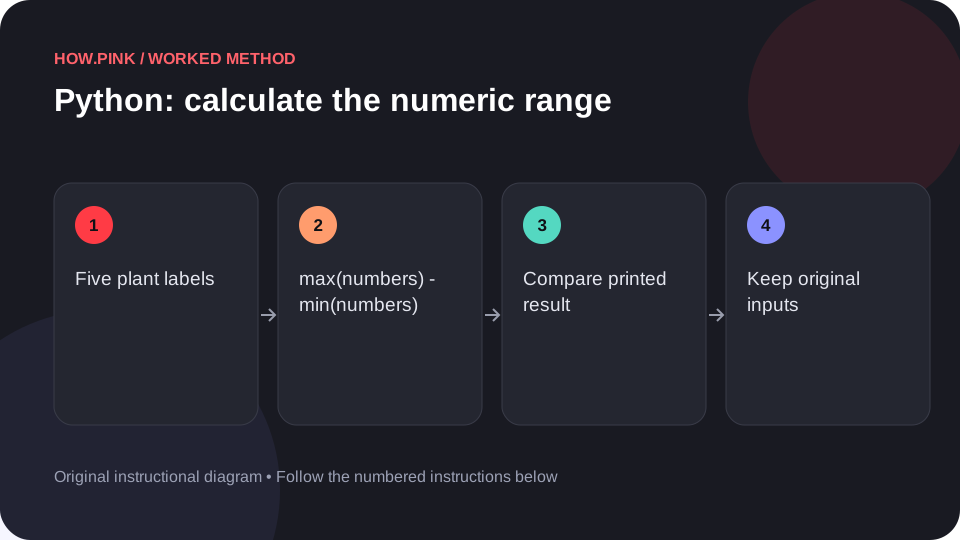
Use Python’s standard library to calculate the numeric range in a small garden observations dataset, with runnable code and an exact output check.
 Python & automation
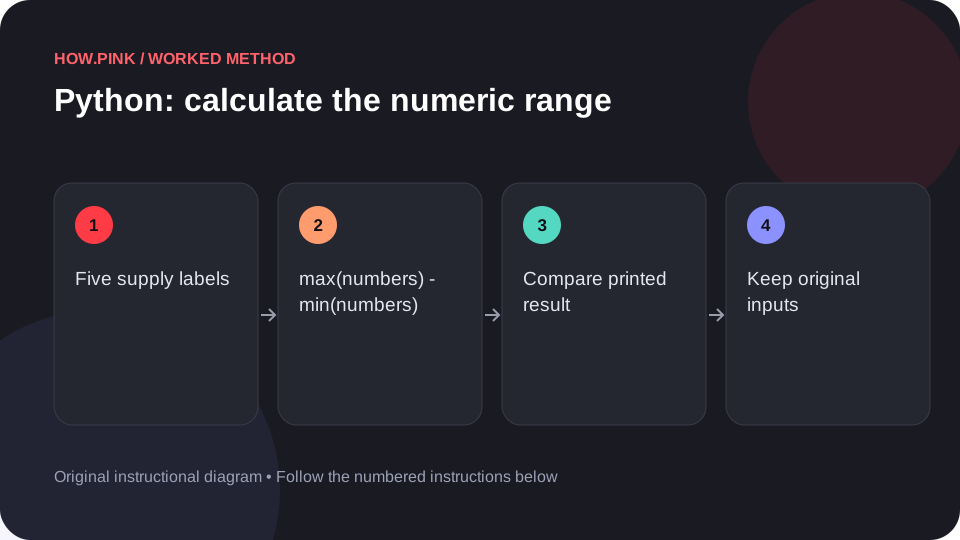
Use Python’s standard library to calculate the numeric range in a small craft supplies dataset, with runnable code and an exact output check.
 Python & automation
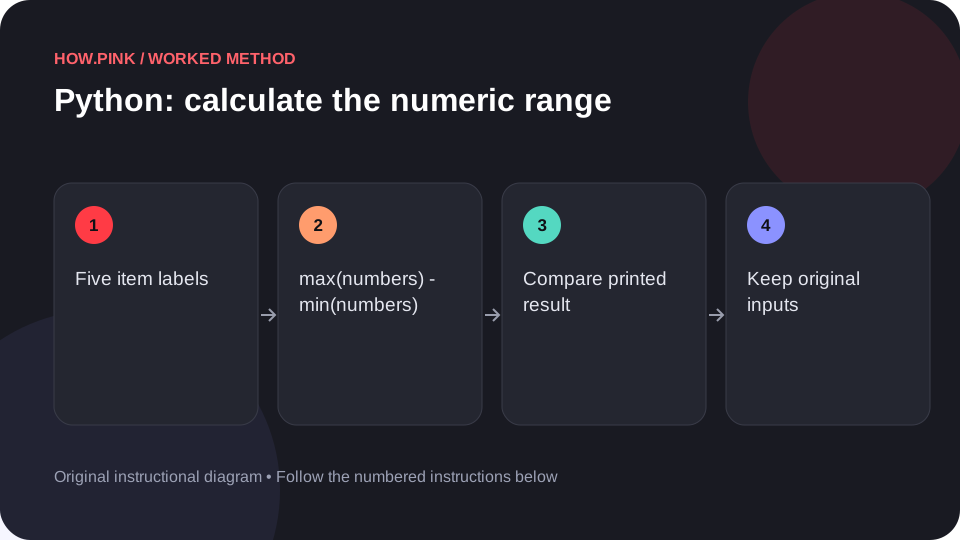
Use Python’s standard library to calculate the numeric range in a small home inventory dataset, with runnable code and an exact output check.
 Python & automation
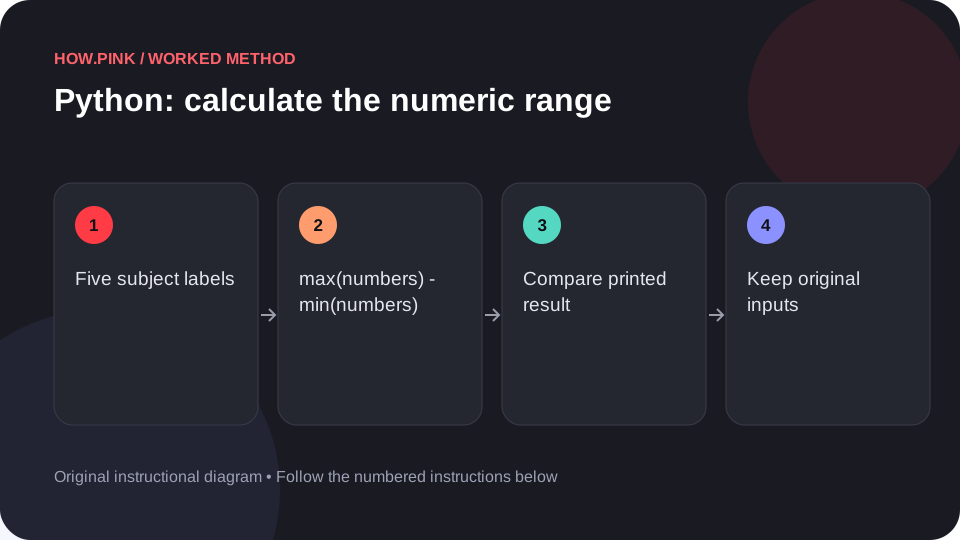
Use Python’s standard library to calculate the numeric range in a small study sessions dataset, with runnable code and an exact output check.
 Python & automation
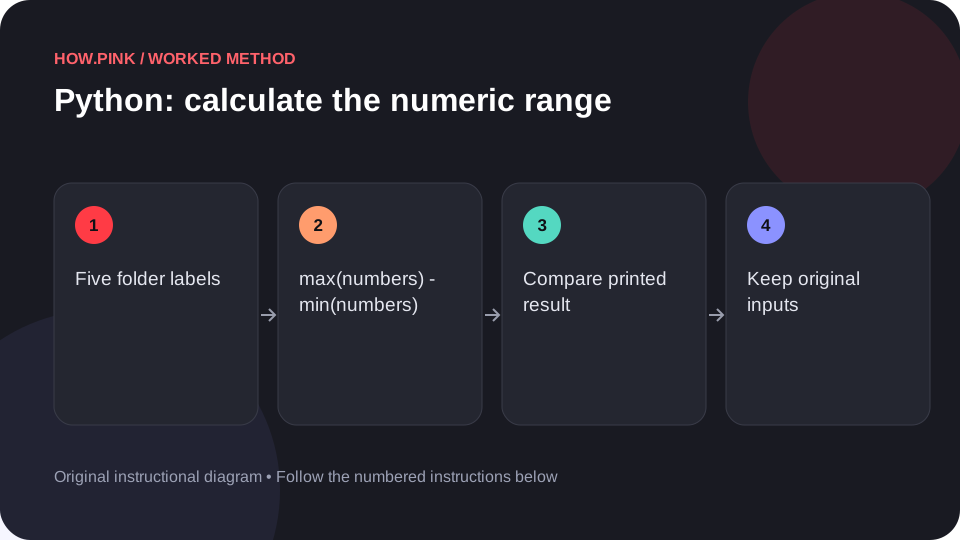
Use Python’s standard library to calculate the numeric range in a small photo folders dataset, with runnable code and an exact output check.
 Python & automation
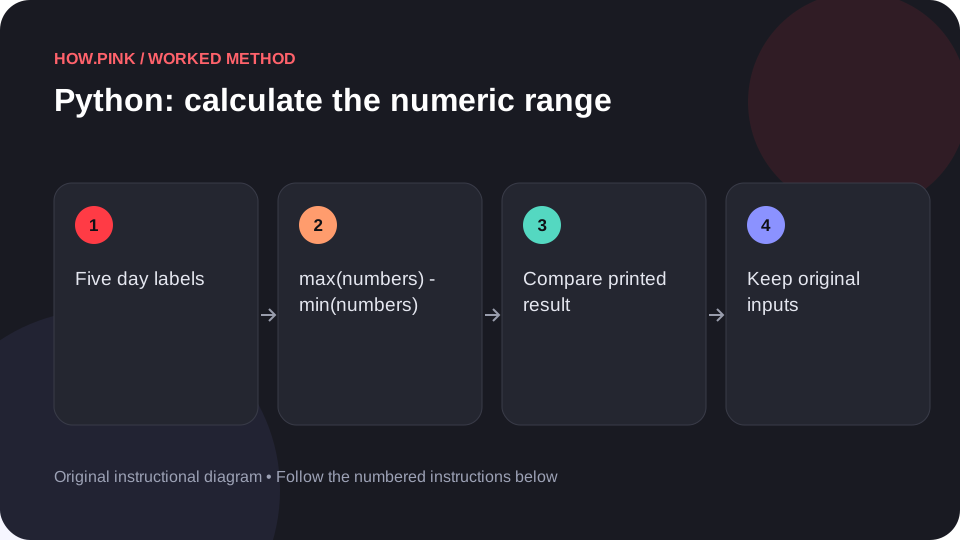
Use Python’s standard library to calculate the numeric range in a small walking logs dataset, with runnable code and an exact output check.
 Python & automation
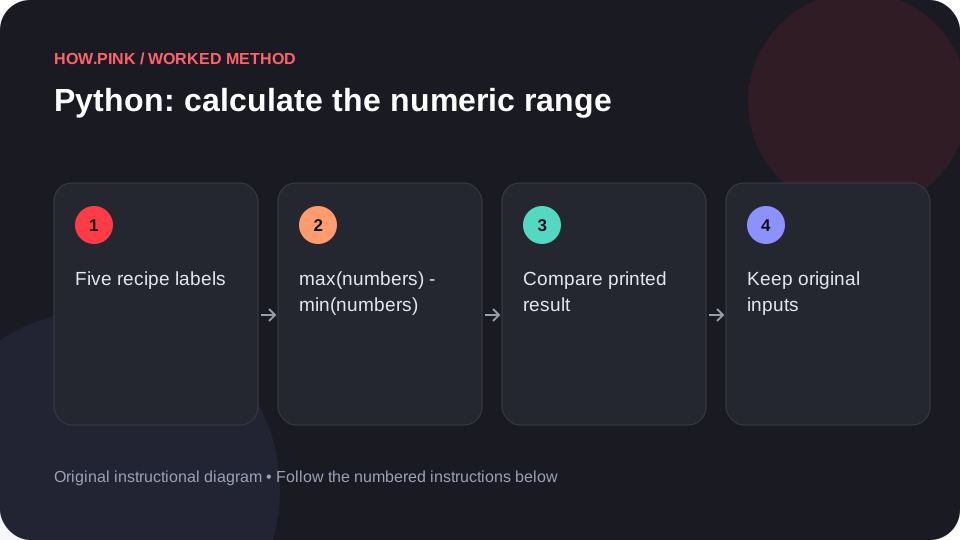
Use Python’s standard library to calculate the numeric range in a small recipe portions dataset, with runnable code and an exact output check.
 Python & automation
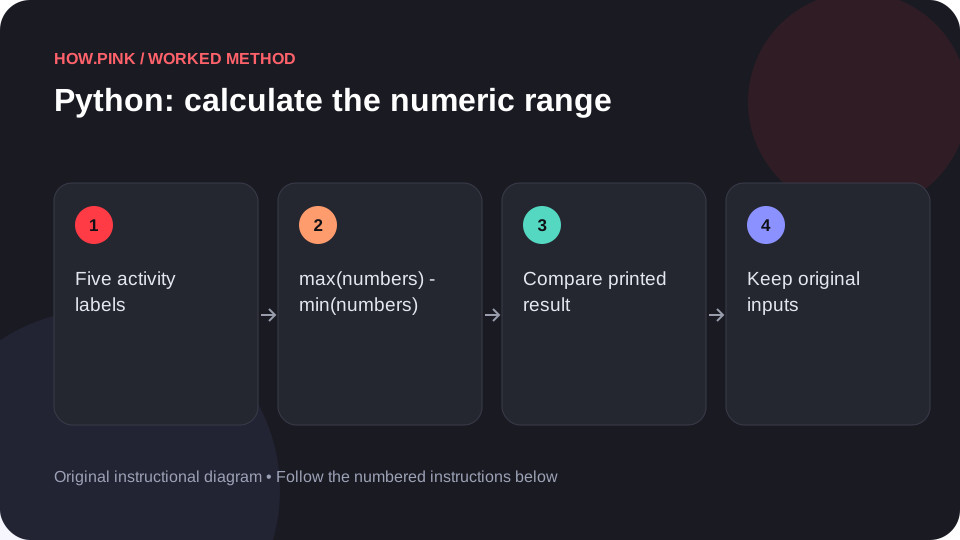
Use Python’s standard library to calculate the numeric range in a small volunteer hours dataset, with runnable code and an exact output check.
 Python & automation
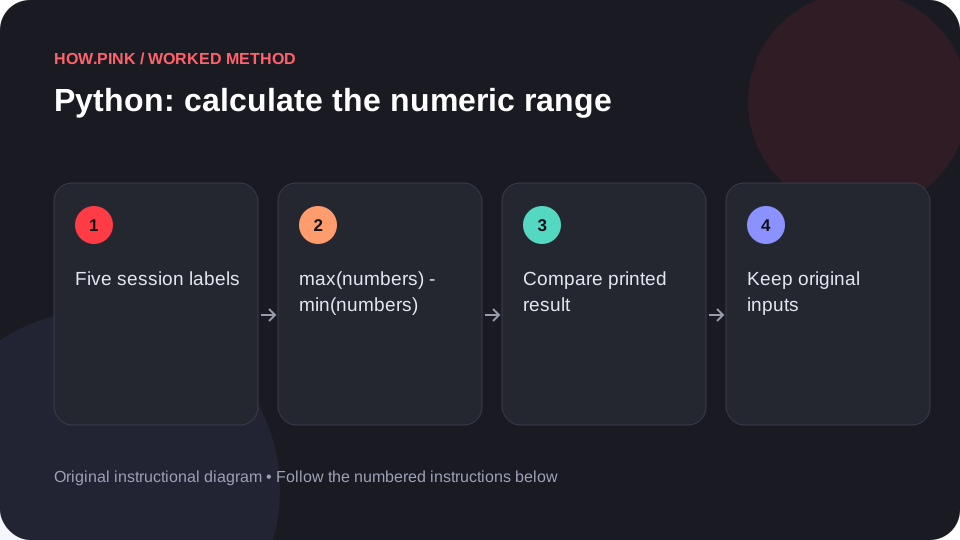
Use Python’s standard library to calculate the numeric range in a small workshop attendance dataset, with runnable code and an exact output check.
 Python & automation
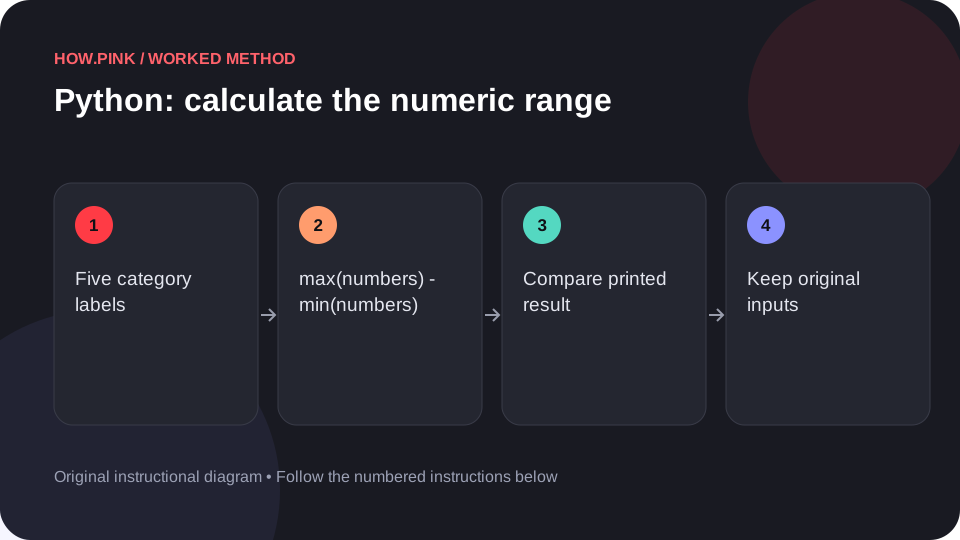
Use Python’s standard library to calculate the numeric range in a small library lending dataset, with runnable code and an exact output check.
 Python & automation
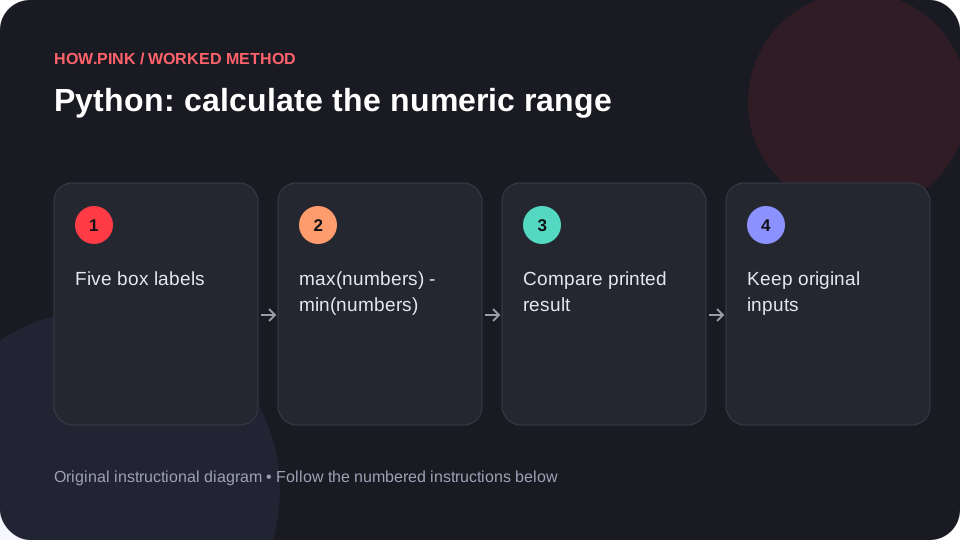
Use Python’s standard library to calculate the numeric range in a small storage boxes dataset, with runnable code and an exact output check.
 Python & automation
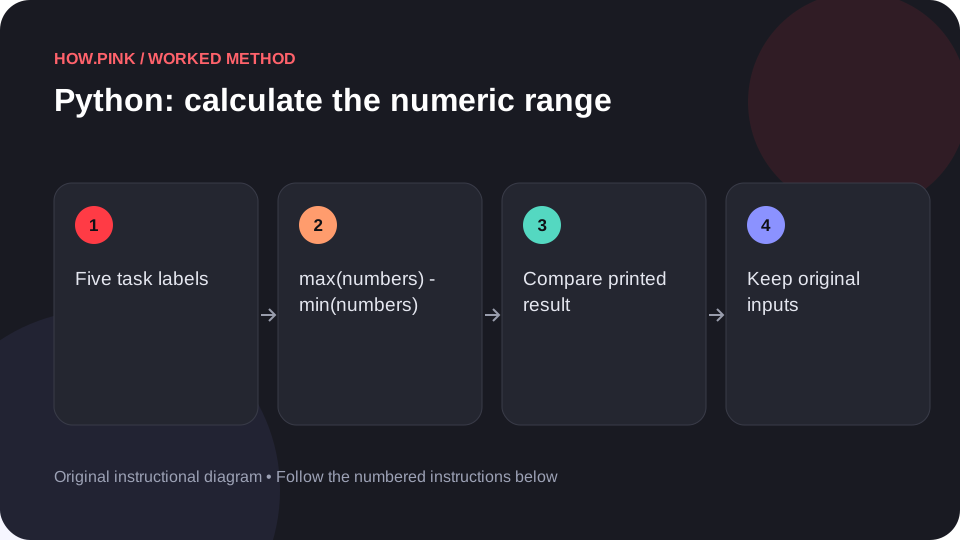
Use Python’s standard library to calculate the numeric range in a small project estimates dataset, with runnable code and an exact output check.